 Image 1 of 4
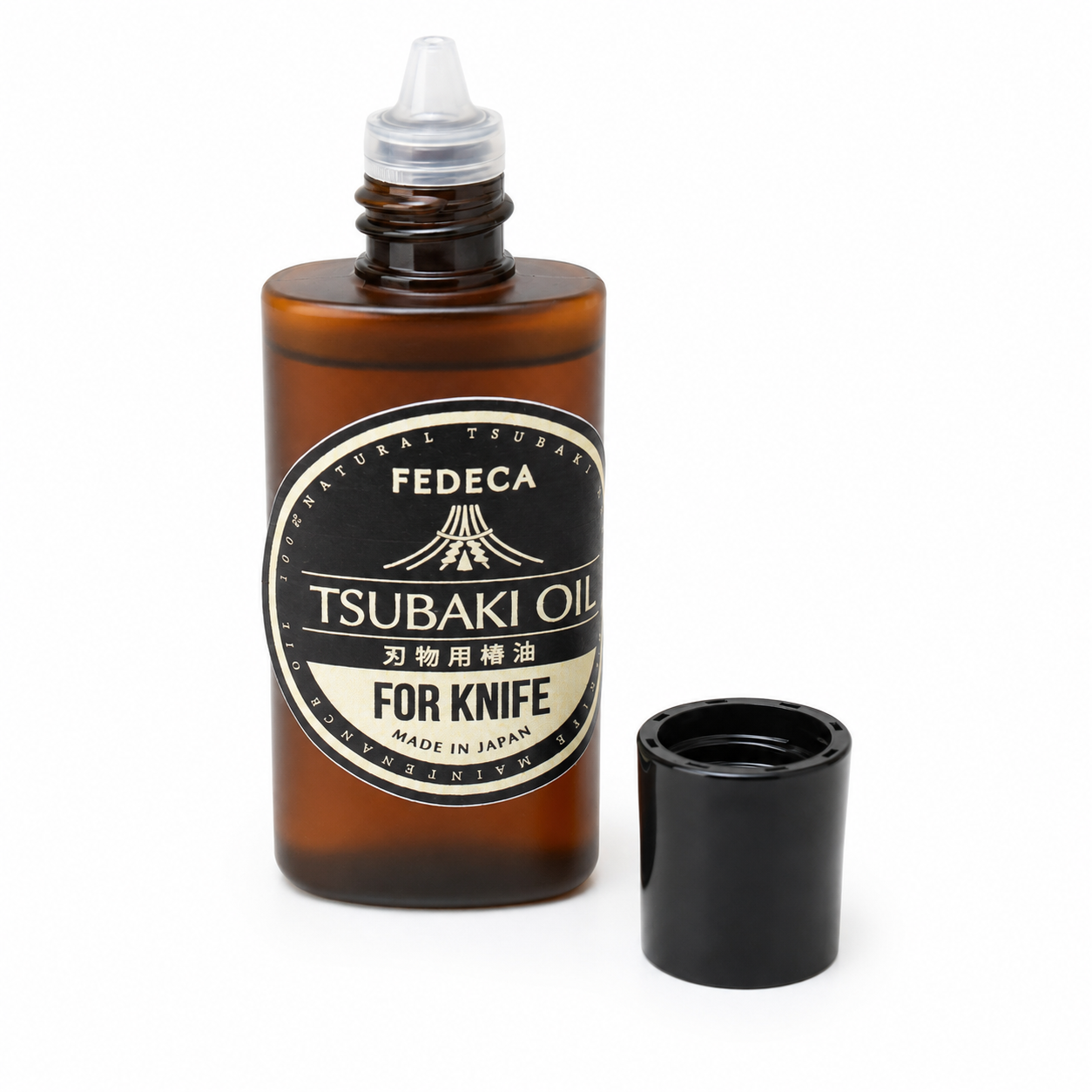 Image 2 of 4
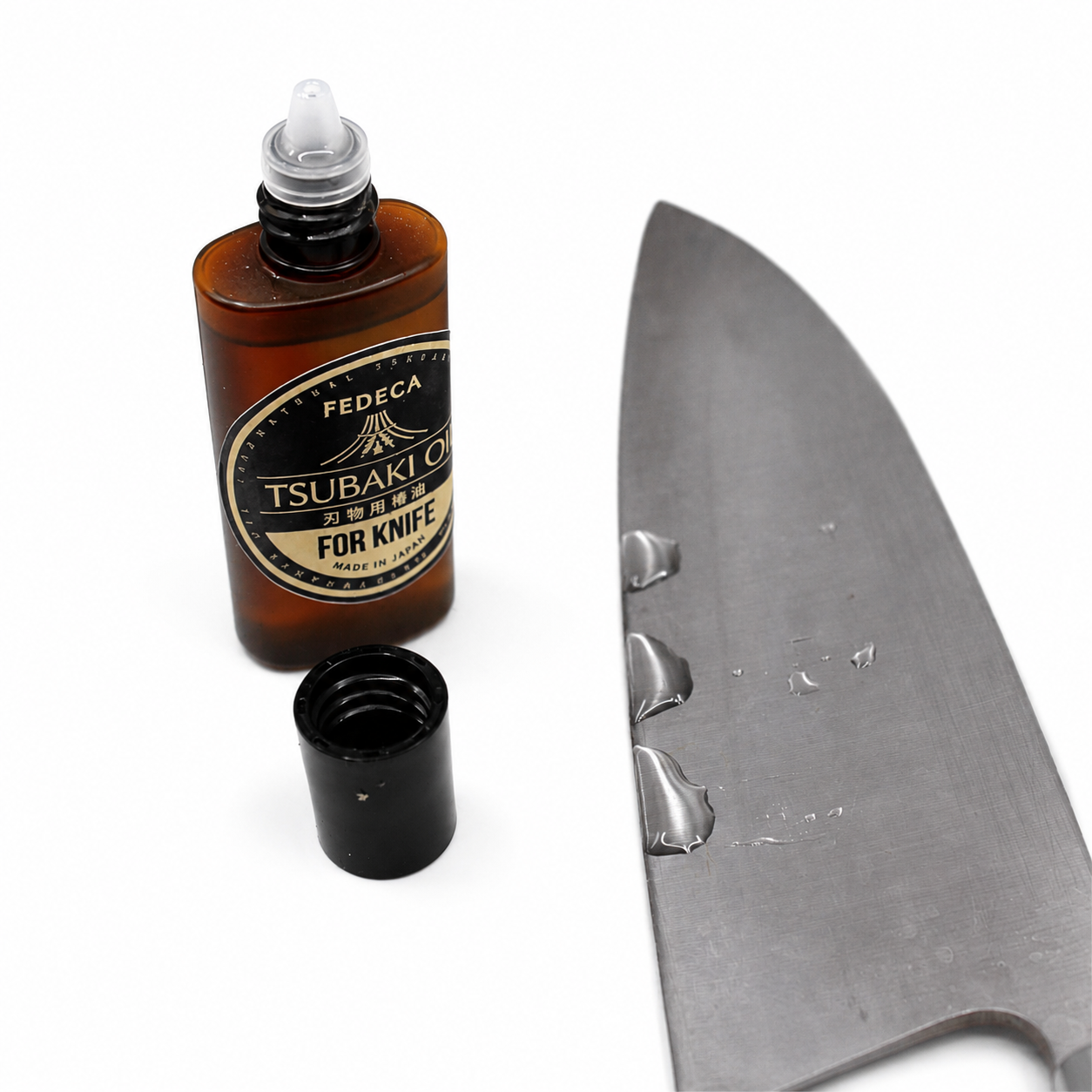 Image 3 of 4
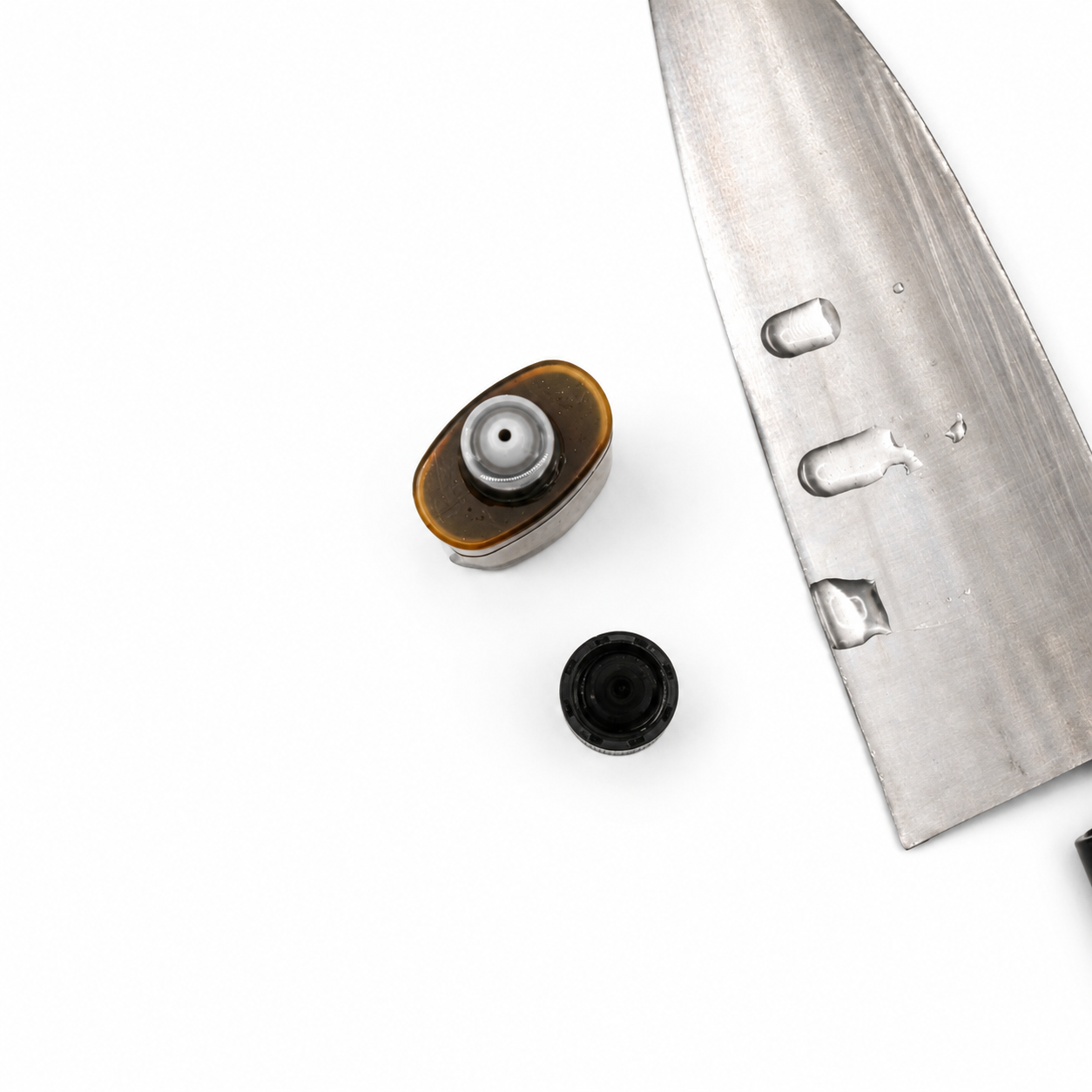 Image 4 of 4
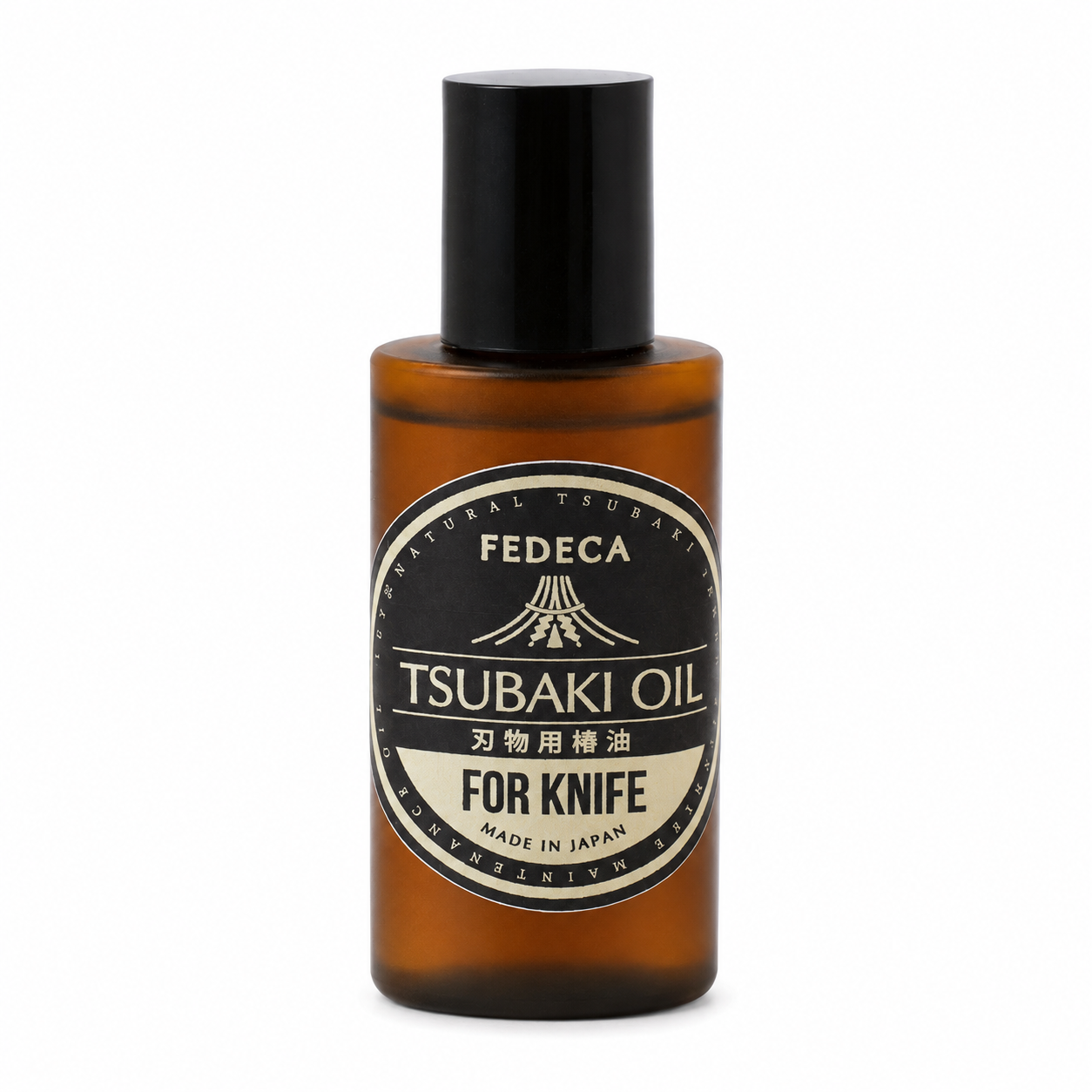
Protect and maintain your treasured tools with Tsubaki Oil, a traditional Japanese camellia oil specially formulated for the care of knives, blades and other metal tools.
Tsubaki oil forms a fine protective coating over the metal, helping to block moisture and air—the two main causes of rust and corrosion. Unlike many vegetable oils, its naturally high oleic acid content makes it resistant to oxidation, so it is less likely to dry out or become thick, sticky or gummy over time.
Odourless, tasteless and non-toxic, it is particularly well suited to maintaining Japanese kitchen knives as well as secateurs, pruning shears, scissors and other treasured cutting tools.
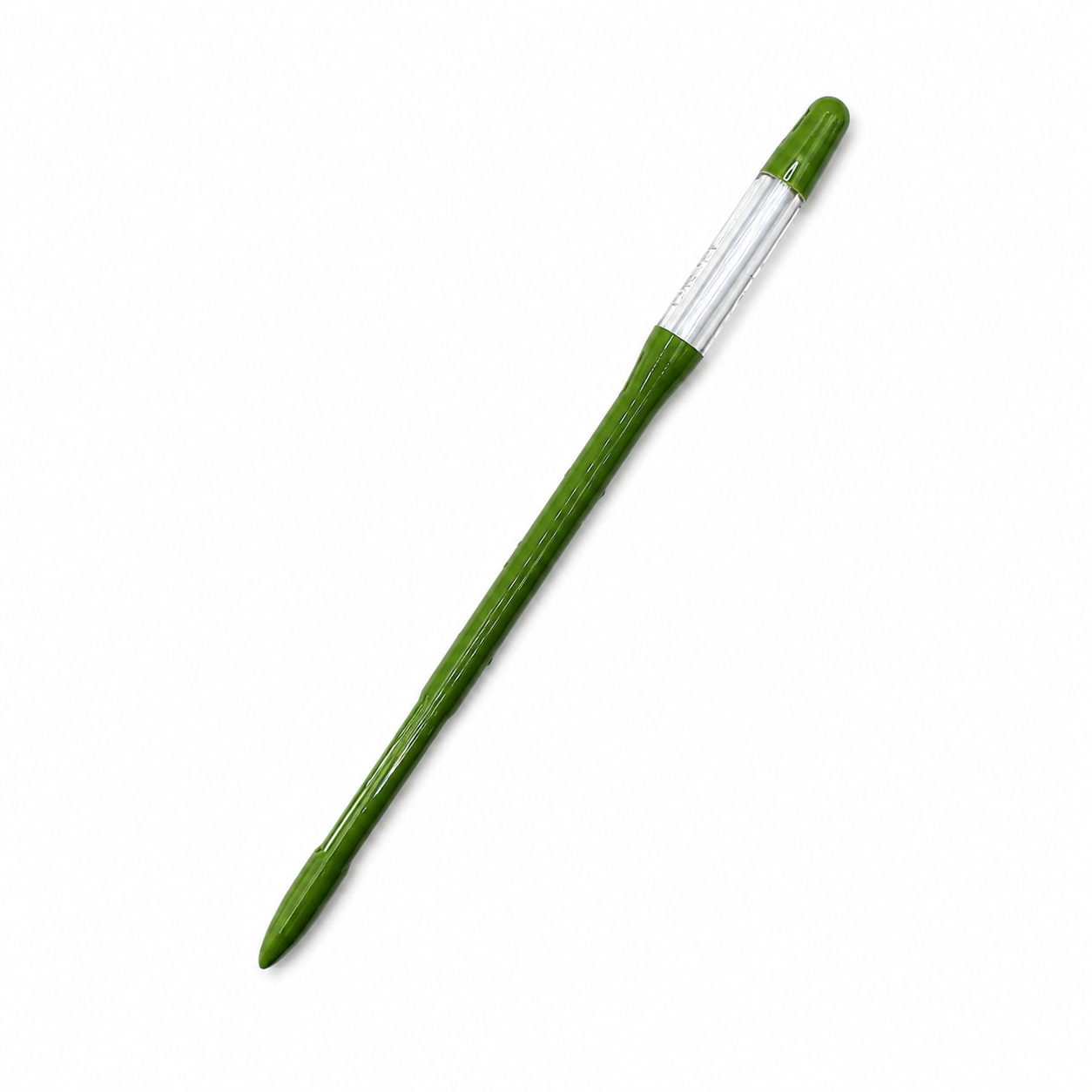
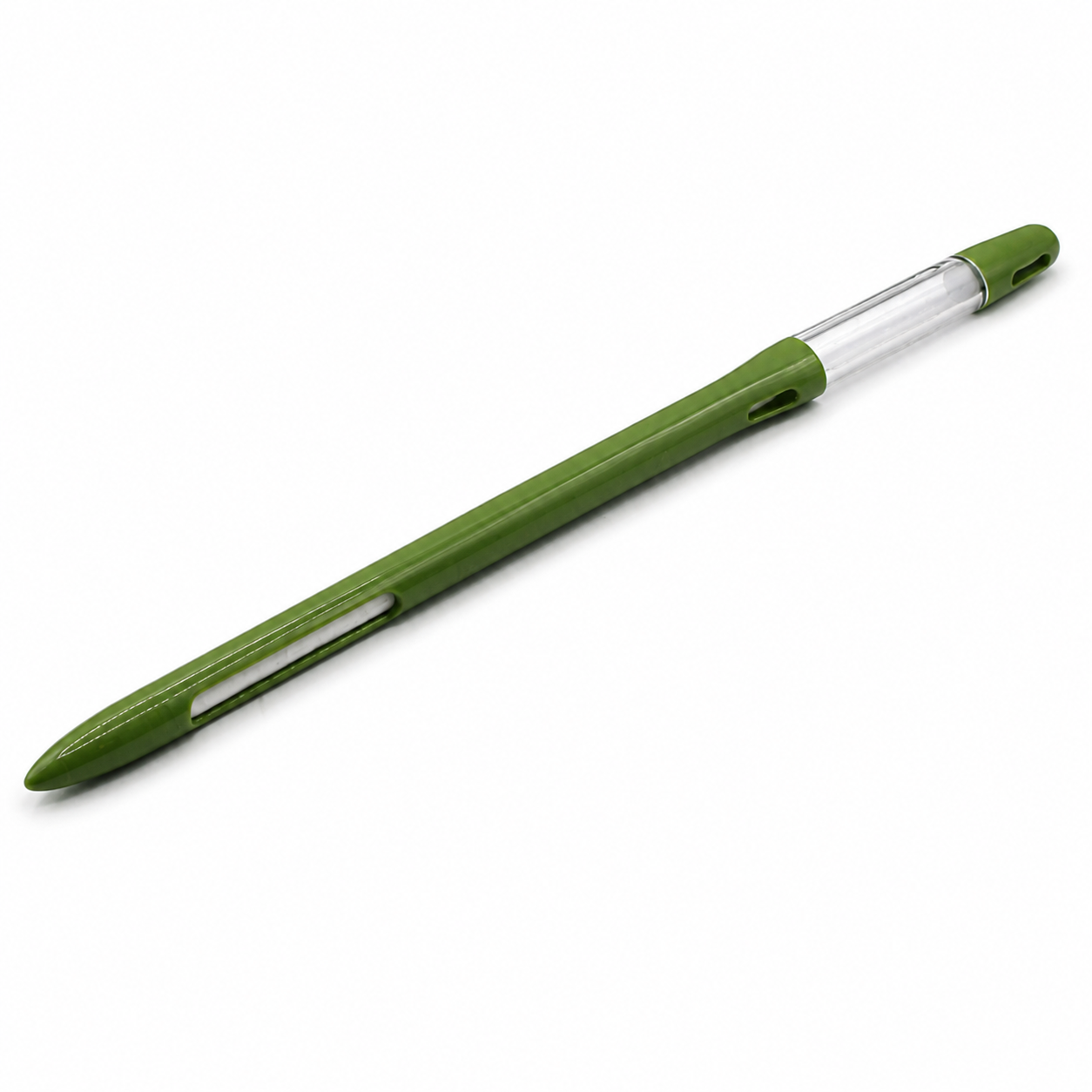
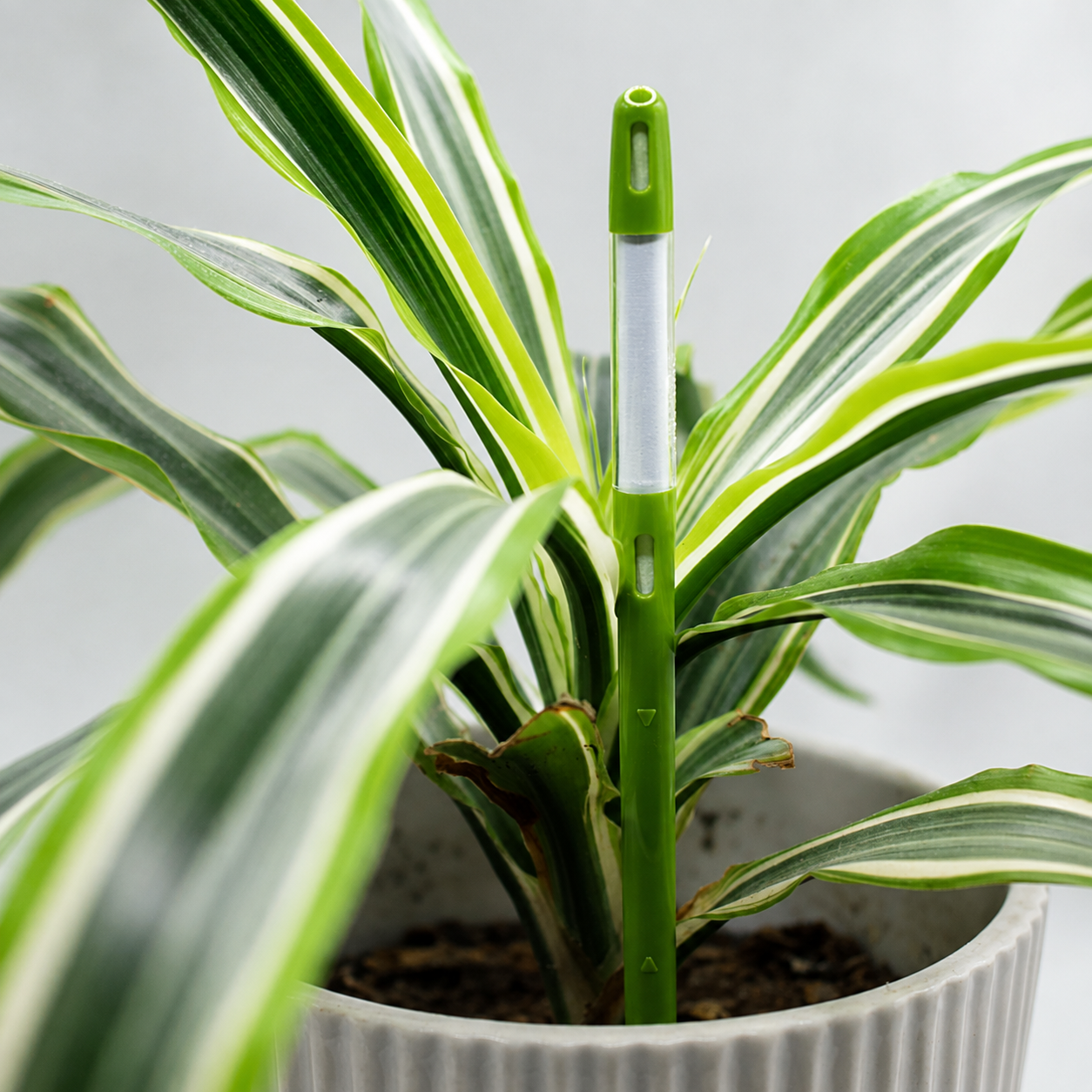
The precision applicator makes it easy to apply a small amount of oil exactly where it is needed, without unnecessary mess or waste.
Helps protect metal from rust and corrosion
Creates a fine barrier against air and moisture
Resistant to oxidation
Does not dry out or become sticky easily
Odourless and tasteless
Suitable for kitchen knives and food-use blades
Helps lubricate the joints and moving parts of garden tools
Precision nozzle for controlled application
Made in Japan
Japanese kitchen knives
Carbon-steel and stainless-steel blades
Secateurs and pruning shears
Gardening scissors and harvest shears
Woodworking and carving tools
Other metal tools and wooden handles
Clean the blade or tool thoroughly and allow it to dry completely.
Apply a few drops of Tsubaki Oil to a clean, soft cloth.
Wipe a very thin, even coating over the metal surface.
Apply a small amount to hinges, springs and other moving parts where required.
Remove any excess oil before storing or using the tool.
For tools used with food, wipe the blade with a clean cloth before use.
Apply after cleaning and whenever your tools will be stored for an extended period. Carbon-steel blades may benefit from more frequent application, particularly after exposure to moisture, plant sap or acidic foods.
A small amount is all that is required—apply sparingly for the best results.
Protect and maintain your treasured tools with Tsubaki Oil, a traditional Japanese camellia oil specially formulated for the care of knives, blades and other metal tools.
Tsubaki oil forms a fine protective coating over the metal, helping to block moisture and air—the two main causes of rust and corrosion. Unlike many vegetable oils, its naturally high oleic acid content makes it resistant to oxidation, so it is less likely to dry out or become thick, sticky or gummy over time.
Odourless, tasteless and non-toxic, it is particularly well suited to maintaining Japanese kitchen knives as well as secateurs, pruning shears, scissors and other treasured cutting tools.
The precision applicator makes it easy to apply a small amount of oil exactly where it is needed, without unnecessary mess or waste.
Helps protect metal from rust and corrosion
Creates a fine barrier against air and moisture
Resistant to oxidation
Does not dry out or become sticky easily
Odourless and tasteless
Suitable for kitchen knives and food-use blades
Helps lubricate the joints and moving parts of garden tools
Precision nozzle for controlled application
Made in Japan
Japanese kitchen knives
Carbon-steel and stainless-steel blades
Secateurs and pruning shears
Gardening scissors and harvest shears
Woodworking and carving tools
Other metal tools and wooden handles
Clean the blade or tool thoroughly and allow it to dry completely.
Apply a few drops of Tsubaki Oil to a clean, soft cloth.
Wipe a very thin, even coating over the metal surface.
Apply a small amount to hinges, springs and other moving parts where required.
Remove any excess oil before storing or using the tool.
For tools used with food, wipe the blade with a clean cloth before use.
Apply after cleaning and whenever your tools will be stored for an extended period. Carbon-steel blades may benefit from more frequent application, particularly after exposure to moisture, plant sap or acidic foods.
A small amount is all that is required—apply sparingly for the best results.